Take your pick: adrenaline packed or slow and contemplative?

Updated on May 13, 2026
Heading out on an adventure in the Eastern Townships means that you’ll be immersing yourself in breathtaking landscapes, encountering amazing wildlife, discovering precious and fragile plant life... and returning home, leaving no other trace than your memories. Therefore, to ensure that everyone can continue to enjoy this natural wealth, it’s important to adopt a few good habits. Here are the 7 “Leave No Trace” principles, we’ve adapted to our beautiful region, to apply when hiking, cycling, camping or on any other nature outing.
Every great outing begins with a little preparatory ritual. Before setting out on the trail, take a moment to check the access points, weather conditions, current guidelines and difficulty levels. It’s also the perfect time to choose a less crowded route, so you can enjoy walking freely at your own pace rather than following in line.
Once you’ve arrived, a few simple measures can transform the experience: bring a paper map or an offline app, dress for the weather, have water and snacks on hand, and a way to find your way around. And if you pack your snacks in reusable containers, you’ll help keep the trails clean and inviting for everyone. Because, at the end of the day, being well prepared means you’ll be offering yourself and nature the best conditions for a pleasant, respectful and memorable adventure.
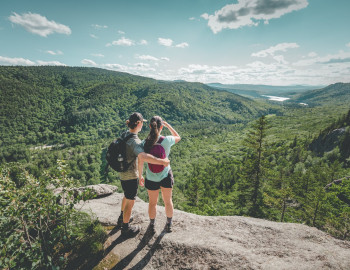
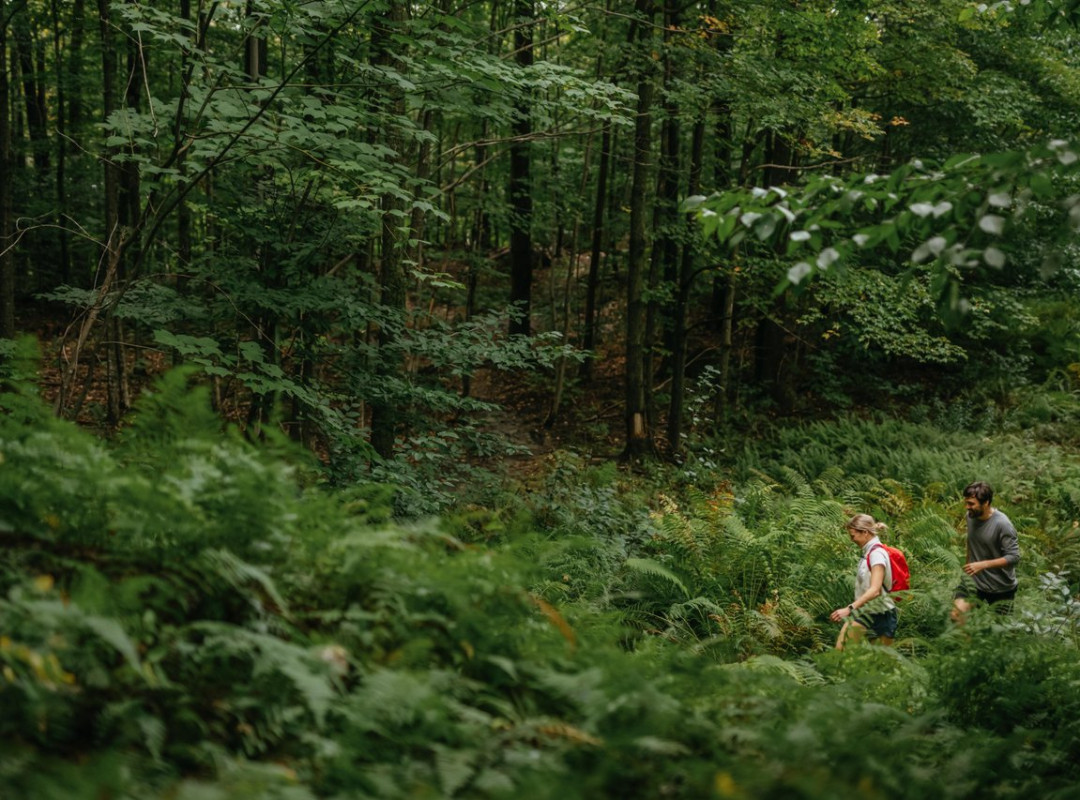
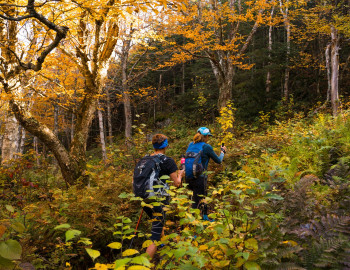
Walking on marked trails and camping in designated areas are simple choices that preserve the beauty of our natural spaces for future generations. The trails were designed to channel explorations so that we won’t harm fragile ecosystems. Stepping away from the trail to save time or to find “the best view” sometimes means trampling on flora that will take years to regenerate.
So, even if the route twists and turns a bit, we should always stay on the path. Because in the end, unspoilt nature is the most beautiful reward of all.
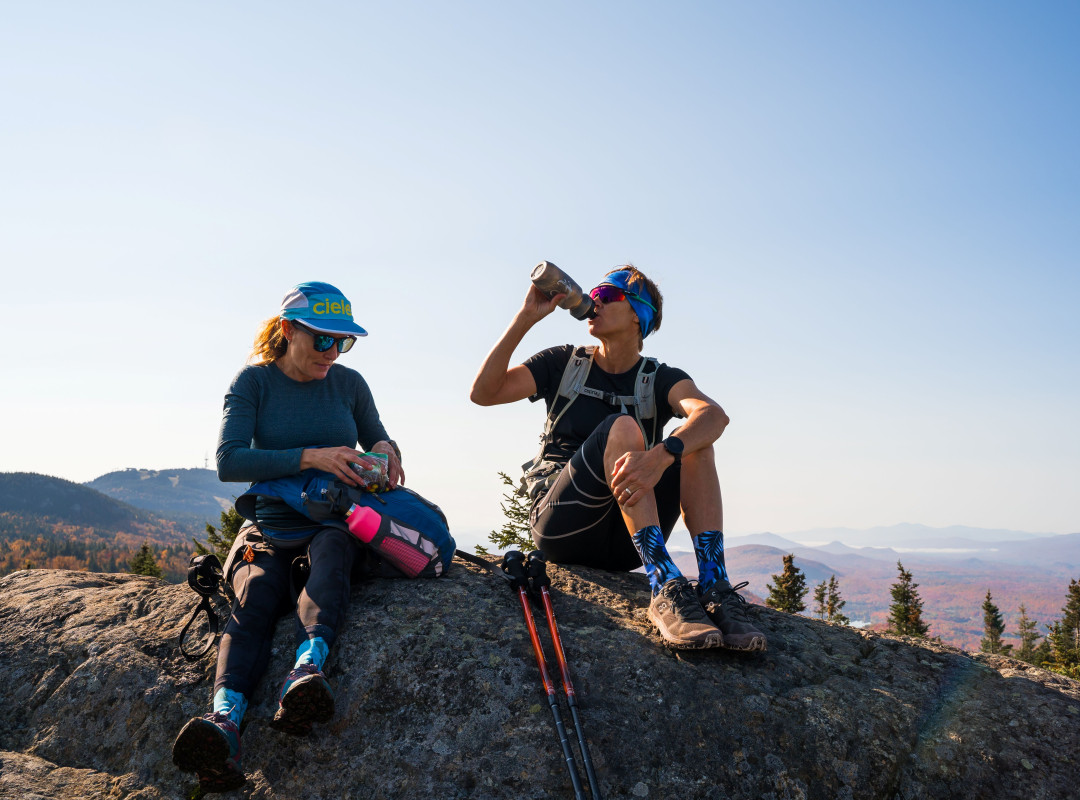
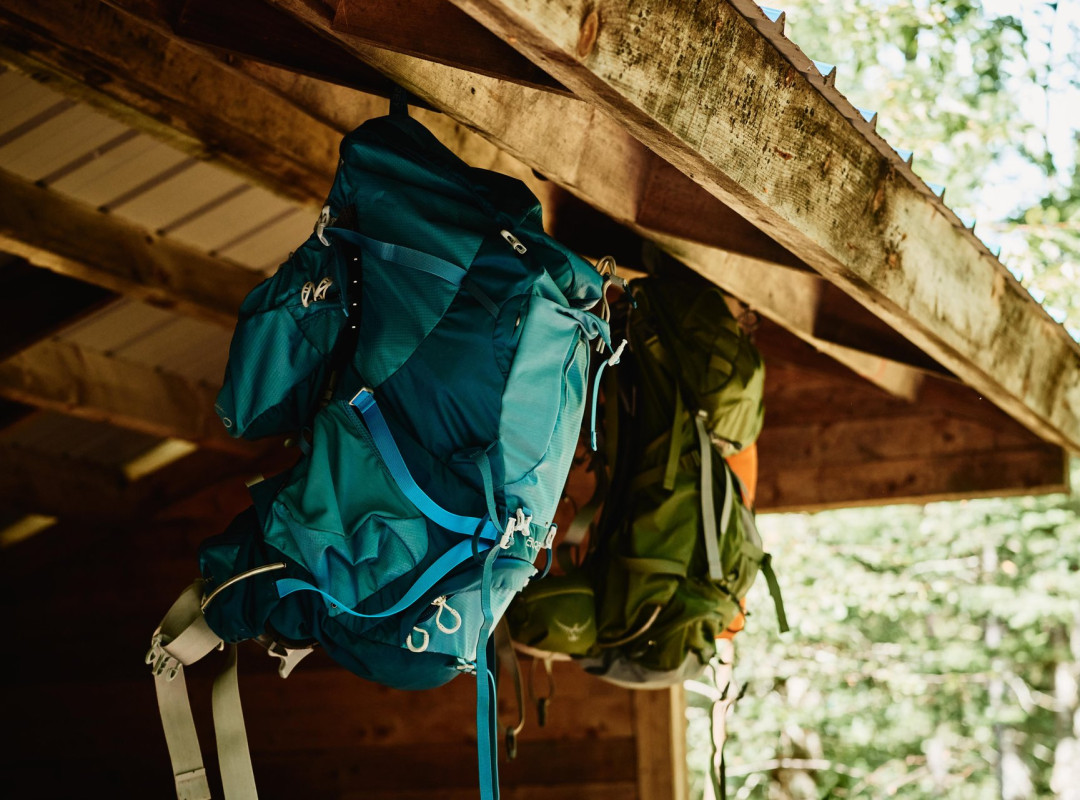
One of the most important rules when spending time in nature is to take your trash with you. Snack breaks are sacred! But once you’ve finished your granola bar and apple, pack everything up... and take it back with you. Yes, even fruit peels. Just because waste is compostable doesn’t mean it belongs in nature: even organic waste can disrupt ecosystems or harm local wildlife. The same principle applies to all waste. When managed properly, it doesn’t pollute the soil or waterways, attract animals, or leave unpleasant surprises for the next hikers.
A resealable bag, a little time and effort, and there you have it: a cleaner mountain and a more pleasant trail. Through their actions, hikers become discreet custodians of this shared natural environment.
It can sometimes be tempting to collect little treasures you find along the trail. Shiny pebbles, pretty flowers or pieces of wood that would make the perfect walking stick... admire them, but leave them where you found them. If you are camping and need to move a few things to set up your tent, remember to put everything back in its place before you leave.
Every single item is part of an ecosystem, even if it is not readily apparent, and it must be treated with respect. The goal is for nature to look as pristine after your visit as it did before, as if you had never been there!
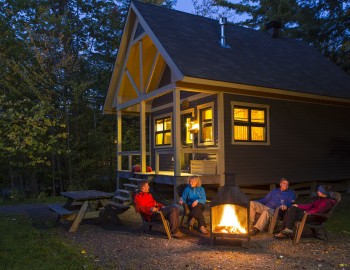
A campfire is hard to beat: the marshmallows, the stories, the warmth... we understand the appeal. But in nature, every flame counts. Before lighting anything, take a couple of minutes to check the conditions. If it’s dry, it’s better to put it off until another time. And if fires are permitted, always use designated fire pits, away from dry grass or low-hanging branches.
The alternative? A small portable stove. Simple, practical, safe—and perfect for boiling water for your morning coffee. Enjoy the great outdoors without taking unnecessary risks. Because preserving nature also means enjoying the moment.
Encountering a deer or hearing a rare bird is a pleasant experience. But to ensure that this moment remains safe for you and for them, it is best to keep your distance. A change in an animal’s behaviour is a signal: simply give it space.
Above all, avoid feeding them. Even if your intentions are good, it can harm their health, disrupt their habits or draw them too close to humans. Respect also means putting your food away and closing your bags to keep curious four-legged visitors away at night. Enjoying nature also includes leaving it alone.
On a trail, you’re never really alone. Whether you’re an early morning hiker, a family out for a walk, or a group climbing a mountain, everyone deserves to enjoy the experience in their own way. A leisurely pace, a discreet tone of voice, and a quick hello as you pass by: simple gestures that make the experience more enjoyable for everyone. Oh, and a little reminder about mountain etiquette: when climbing, they have the right of way. Let them pass, smile, and continue on your way. Because, deep down, the outdoors is even better when shared with respect.
Hiking
The Hiker’s Code
Nature, sports and outdoor activities
12 Hiking Outings in the Eastern Townships