Take your pick: adrenaline packed or slow and contemplative?

Published on Apr 8, 2026
The idea of heading out on a cycling adventure has you dreaming? Sleeping under the stars, riding along quiet country roads, stopping by local producers and exploring a region at your own pace… It’s hard to imagine a more immersive way to travel! However, when you see these bikes weighed down with all kinds of bags and equipment, it may seem a bit daunting at first. The good news? It’s not as complicated as you might think: a bike, a couple of bags, an itinerary… and the urge to head out! With its serene country setting, its gravel roads, and its rolling hills, the Eastern Townships region is the ideal playground for introducing yourself to adventure cycling. Here you’ll find some basic guidelines to help you plan your first getaway.
By Dominick Ménard
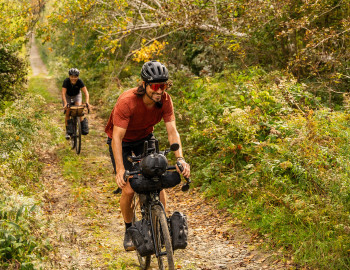
Before we proceed, let’s start by clarifying these different terms. Bike touring generally relates to a trip on a traditional bicycle equipped with panniers, also called bike bags, on paved roadways. Le expression bikepacking refers to a more recent type of travel. It implies taking a more minimalist approach, using lighter bags and a more versatile bicycle. The main characteristic of this way of travelling is that the itineraries lead you further away from the regular network of roads, onto gravel surfaces, forest trails and technical sections, where you may sometimes have to walk alongside your bike. But in real life, the line between these two worlds is sometimes blurred. It’s not uncommon for the same gear and routes to be used for both.
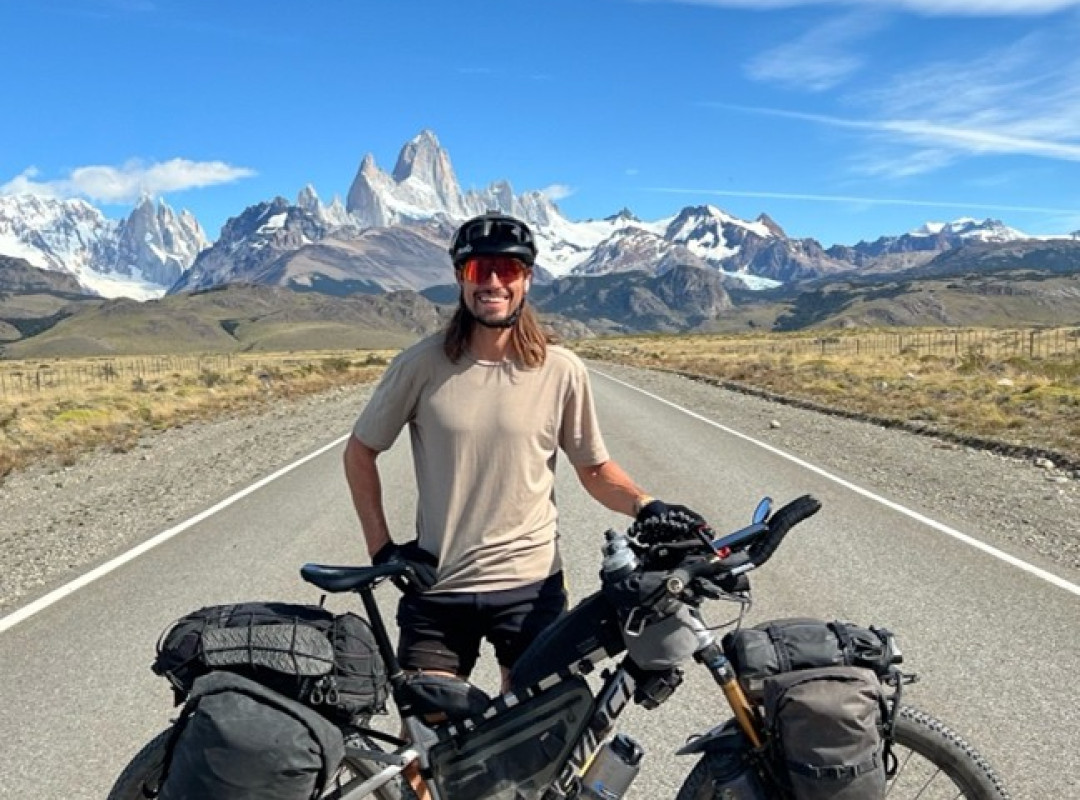
In fact, this was exactly my case during my trip from Victoria to Patagonia: a mountain bike fitted with panniers, riding on both paved surfaces and rough, remote back roads. Although the exact definition is sometimes a matter of debate among enthusiasts, the goal remains the same: to outfit your bike and set off to explore.
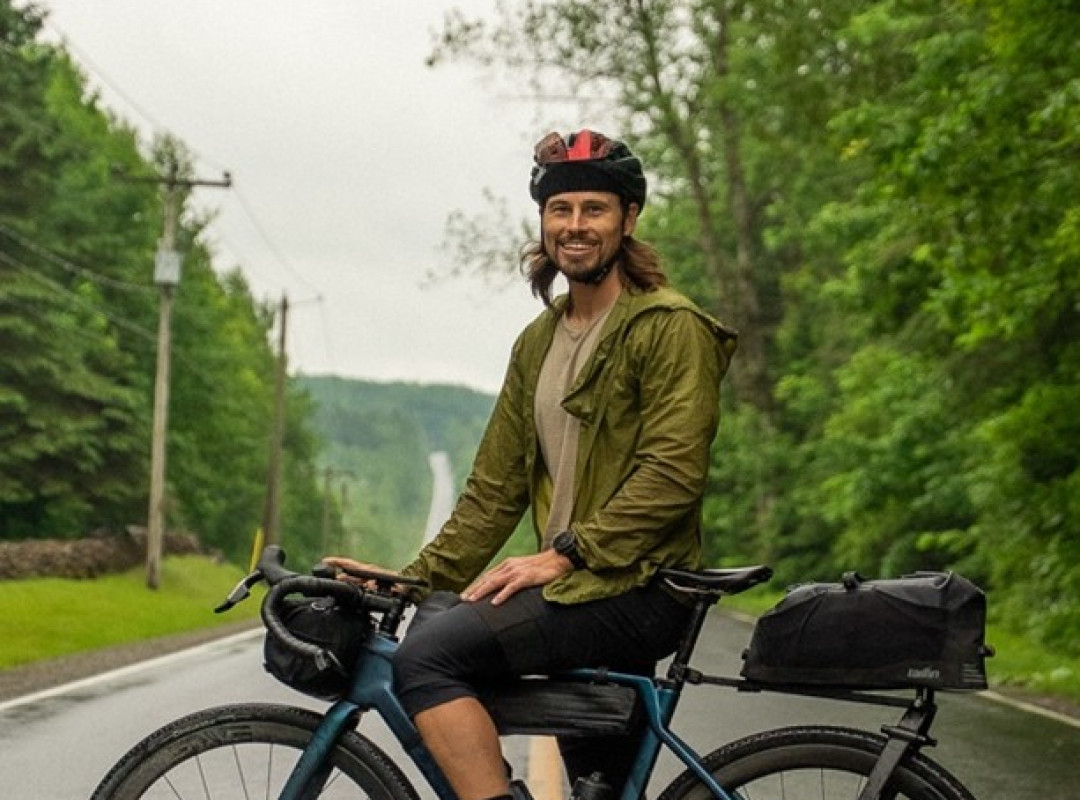
Thanks to the latest technology and the many resources available online—ranging from equipment to suggested routes—it is now easier than ever to head out on an adventure. So, to get started, you’ll need these four items:
• A bicycle • Bicycle bags with or without bike racks • Well-adapted clothing • The right equipment tailored to your planned adventure • An itinerary
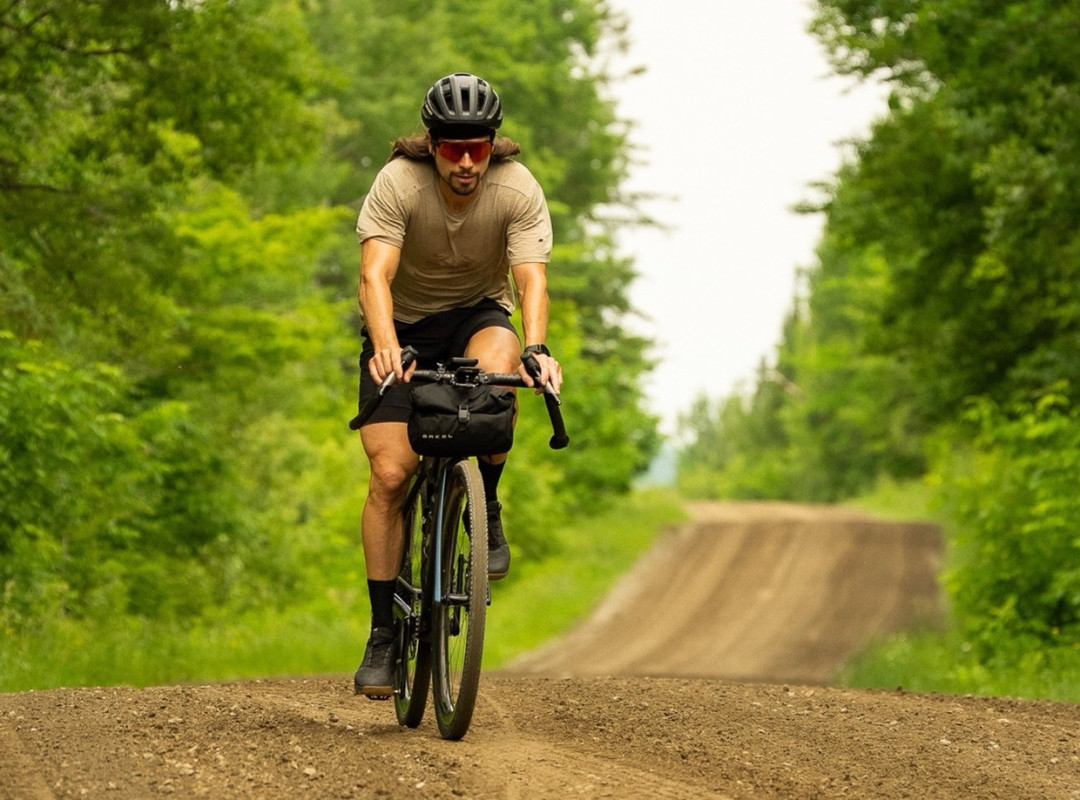
Four key factors determine which type of bike you’ll need for your adventure: the terrain, the duration of your trip, the weather and the level of autonomy.
If your bicycle isn’t designed to accommodate tires of this size, you can still ride on 700 × 32 tires, provided you keep an eye out for any stones that may be lying on unpaved surfaces.
The longer the duration of the trip, the more equipment you’ll need to carry, especially if you include camping gear. In this case, larger bags will be required, and it may also be necessary to fit racks to your bike.
The colder it gets, the bulkier—and heavier—the equipment becomes. In summer, a simple windbreaker may be enough. But when temperatures drop below 10 °C and it starts raining, you’ll need to add extra items: a waterproof jacket, waterproof pants, shoe covers, gloves, a warm hat, and overall warmer clothing. And when the days are cool, the nights are likely to be quite cold. A camping mat and a sleeping bag with a higher insulation index quickly add to the volume and weight you’re carrying. Therefore, you’ll need to plan accordingly.
Cycle, drink, eat, sleep. Repeat. Although this activity may seem simple, a bit of planning is essential for you to totally enjoy your adventure. Where can you find fresh water? Where can you eat or stock up on supplies? How far apart are these sources? Are you able to cover these distances? If not, you’ll need to prepare accordingly and carry enough water and food. Will you be staying in a shelter, a hostel or at a campground? The answer to this question will directly affect how much gear you’ll need to bring.
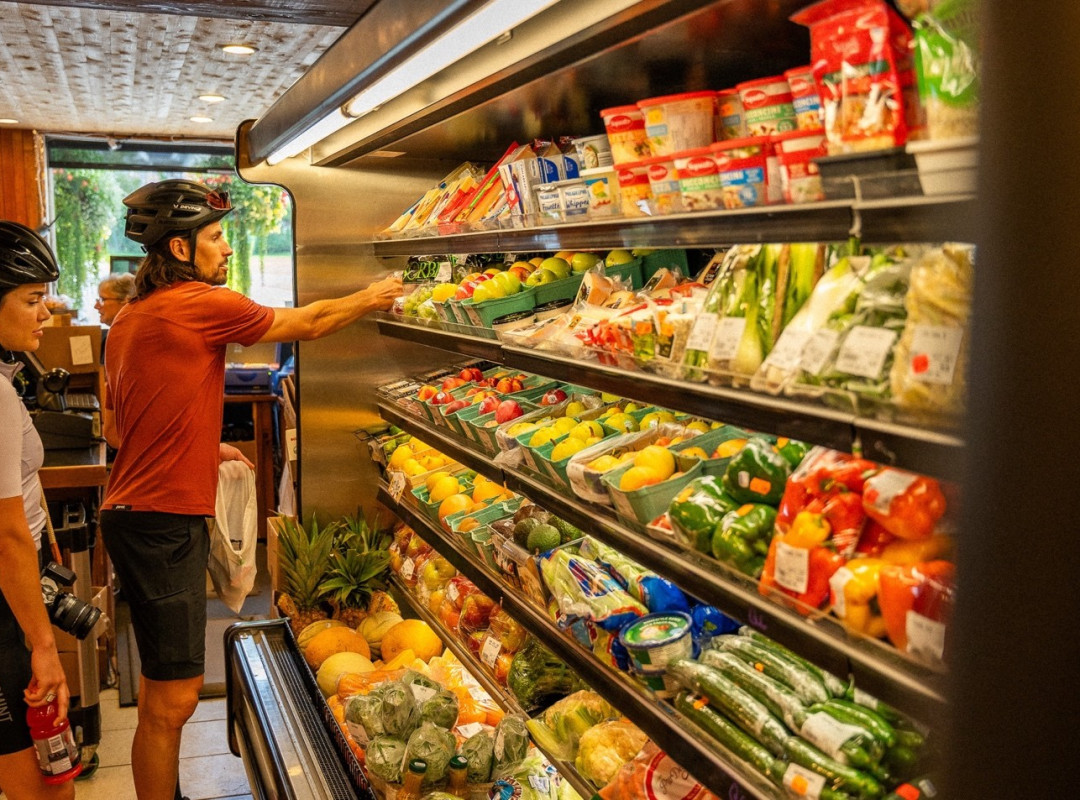
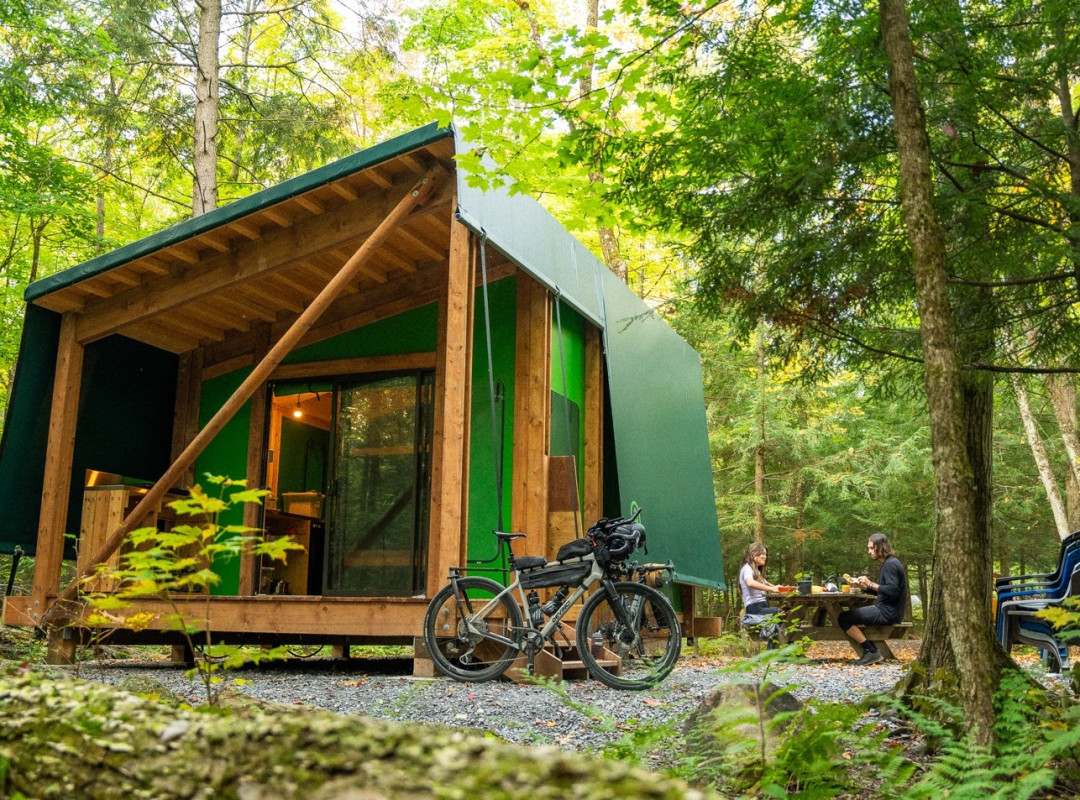
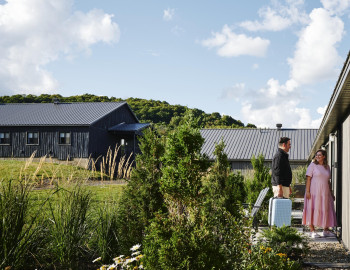
A “ready-to-camp” accommodation is a great option, offering you everything you need for your stay. These include prospector tents, yurts, domes and even small cabins. Of course, you can always reserve a stay in a hostel, a B&b or a small inn.
This is what I did for my first trip. A more experienced couple of friends advised me on my equipment, and we set off from Bromont to spend the night in a small cabin in the forest, in a ready-to-camp set up, just outside of Sutton. This approach allows you to travel much lighter and avoid having to buy and carry camping gear for your first outing. By doing so, you can focus on the basic logistics: planning a route, managing navigation, and preparing your clothing, water and food supplies.
Once you’ve successfully completed this first experience, you can move on to the next step: carrying your own camping equipment. You now have your tent, your gear, and everything is securely attached to your bike: welcome to cycling independence. It’s an incredible feeling of freedom to know that, wherever the road takes you, everything you need is right there with you.
Sometimes we make the wrong assumptions. It happened to me on my trip to Patagonia. On my very first evening, I had to watch a YouTube video to figure out how my stove worked… I’m not kidding!
There really aren’t any secrets: nothing beats your own experience when it comes to learning. Right from the start, accept the fact that you’ll make mistakes and that there will be unexpected setbacks—it’s all part of the process. I went through it myself, not so long ago. But really, no worries! You’ll get the hang of it in no time!
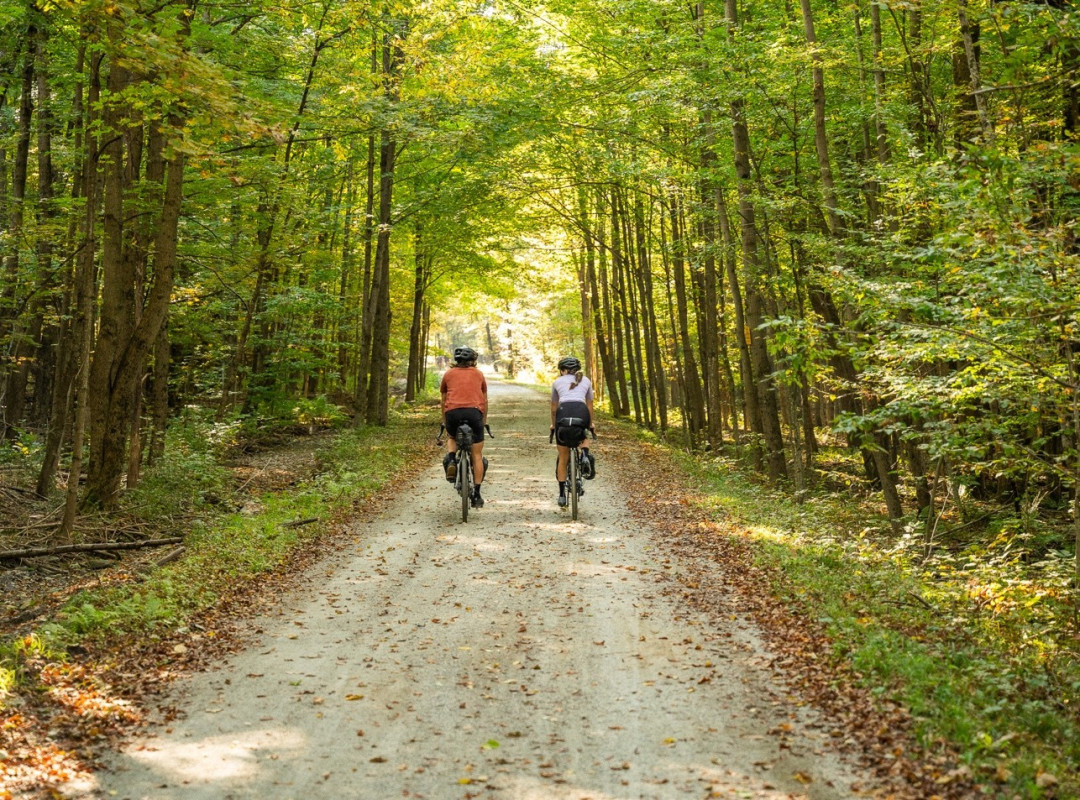
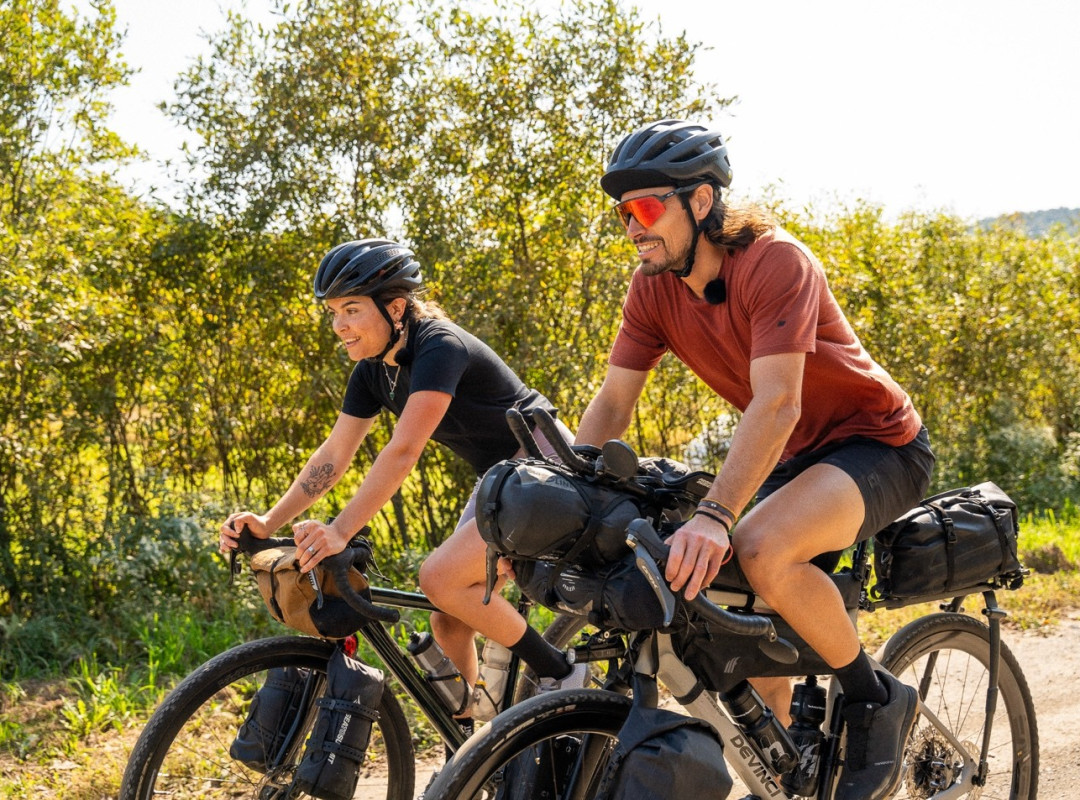
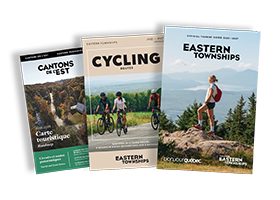
Once you’ve found the right bicycle and the right gear, you’ll need to choose where to go. The Eastern Townships offer an exceptional territory for a cycling adventure with an impressive network of backcountry roads, gravel routes and breathtaking landscapes that will inspire you to slow down and take in the scenery. Eastern Townships Tourism has developed three specially designed circuits for this type of activity. Each itinerary is planned as a three-day, two-night getaway. It lists places to eat, stay and stock up on supplies, making planning much easier. GPS coordinates can also be downloaded. You can, of course, always customize these routes to suit your own pace, or opt for an overnight round trip following one of the suggested routes.
The Gravel Foodie Route – 230 km/3,099 m Get ready to enjoy many culinary delights in the Brome-Missisquoi, Granby and Val-Saint-François regions.
The Gravel Shores Route – 237 km/2,972 m An invitation to immerse yourself in the heart of the Sherbrooke, Coaticook and Memphremagog regions, where rivers and lakes intertwine with amazing landscapes.
The Gravel Summits Route – 271 km/3,534 m A route that winds its way across the Mégantic, Des Sources and Haut-Saint-François regions, taking you through dense forests, mountains and end your days under a star-filled sky.
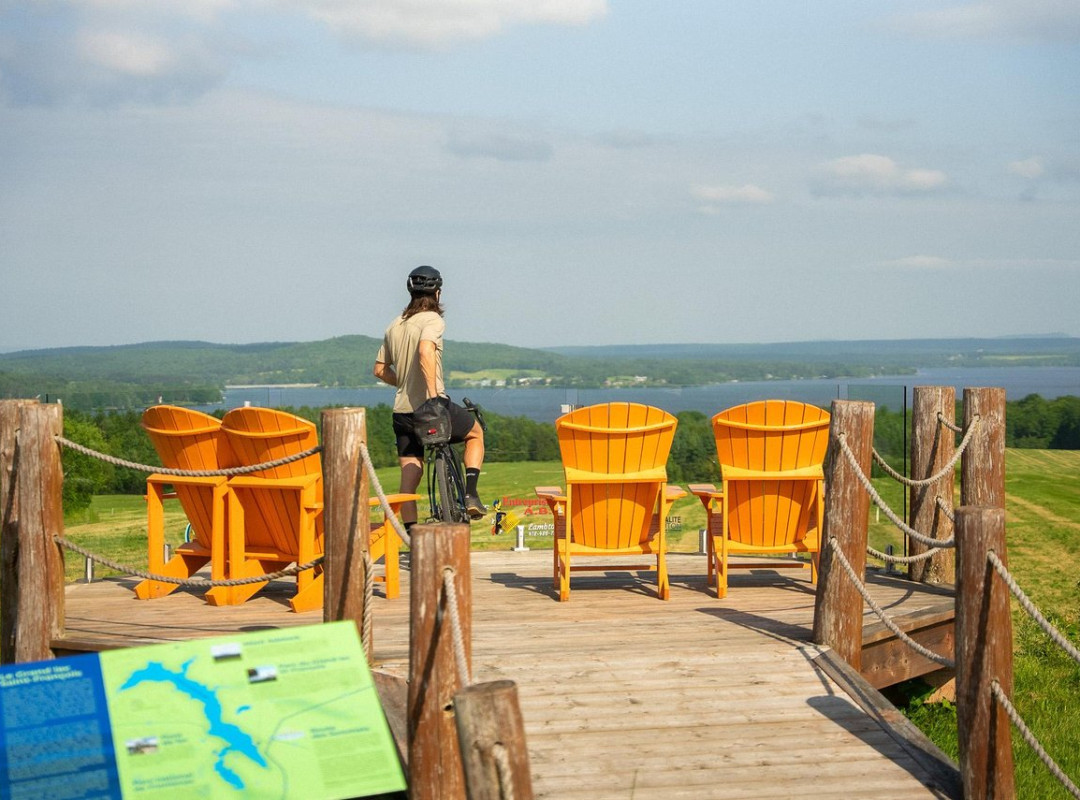
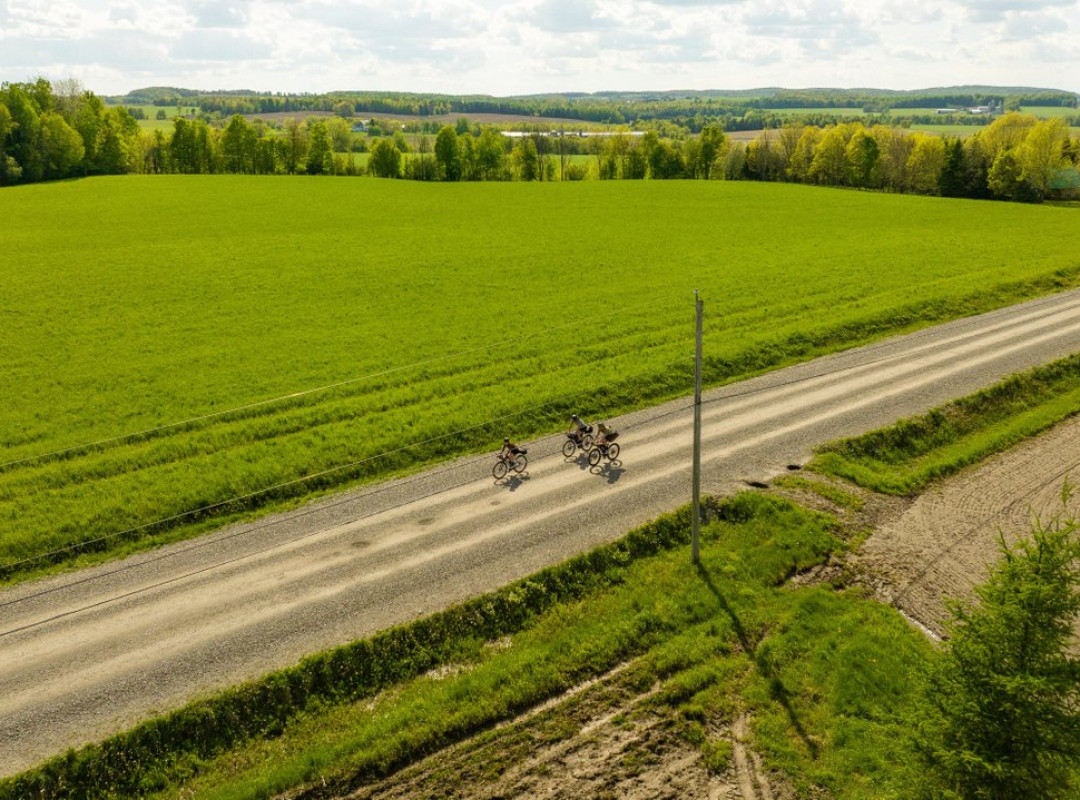
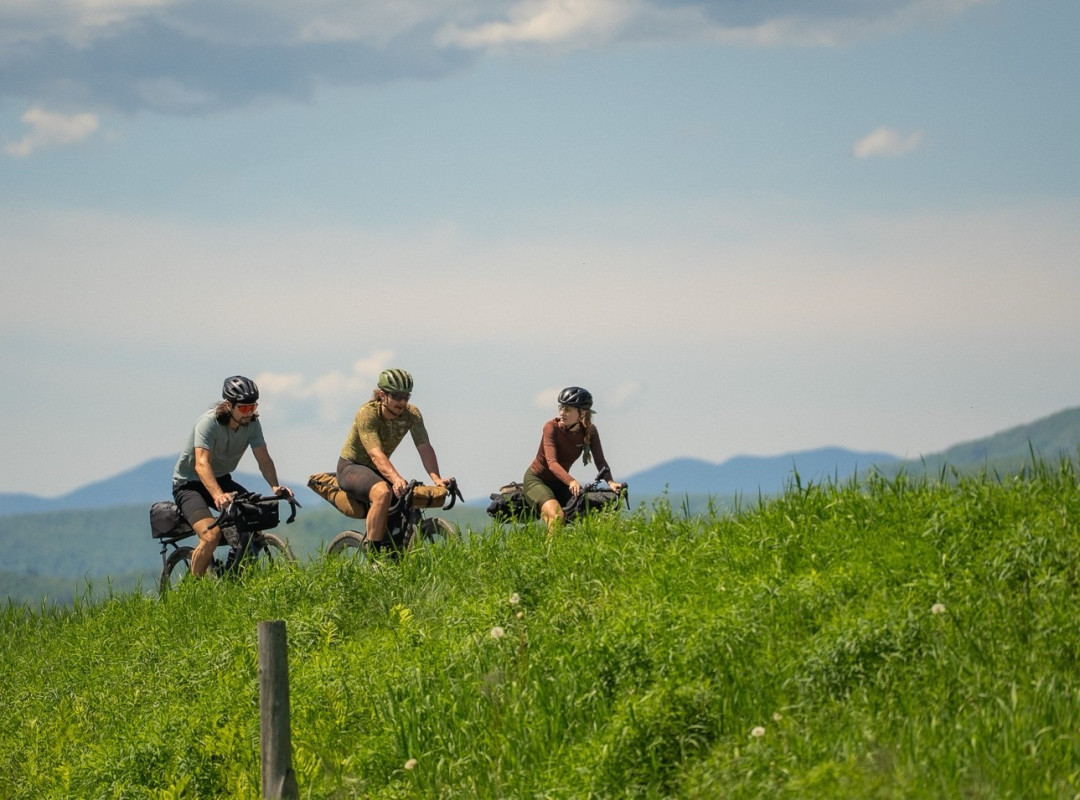
Adventure cycling invites you to slow down, to take in the landscape from a different perspective and to connect with the region you’re exploring. And often, the greatest surprise is realizing that adventures are much closer than you think. With its rolling hills, quiet roads and numerous cycling itineraries, the Eastern Townships are the perfect destination for your first cycling adventure. All you need to do is get your bike ready, choose a route… and off you go!